

EasyPlas
From Basic Material to Space Guardian: A Comprehensive Analysis of Grout
In the microcosm of architectural decoration, grout acts as an "invisible doctor" for spaces. With millimetric precision, it seals gaps between materials while fulfilling multiple roles—waterproofing, mold resistance, and stain prevention. From the cement grouting of ancient Roman baths to the antibacterial formulas of modern nanotechnology, the evolution of grout reflects humanity’s enduring pursuit of architectural functionality and aesthetics. This article delves into the material science, functional development, and future trends of grout, uncovering how this "light in the gaps" reshapes spatial quality.
I. Grout: Definition & Classification
1. Core Definition
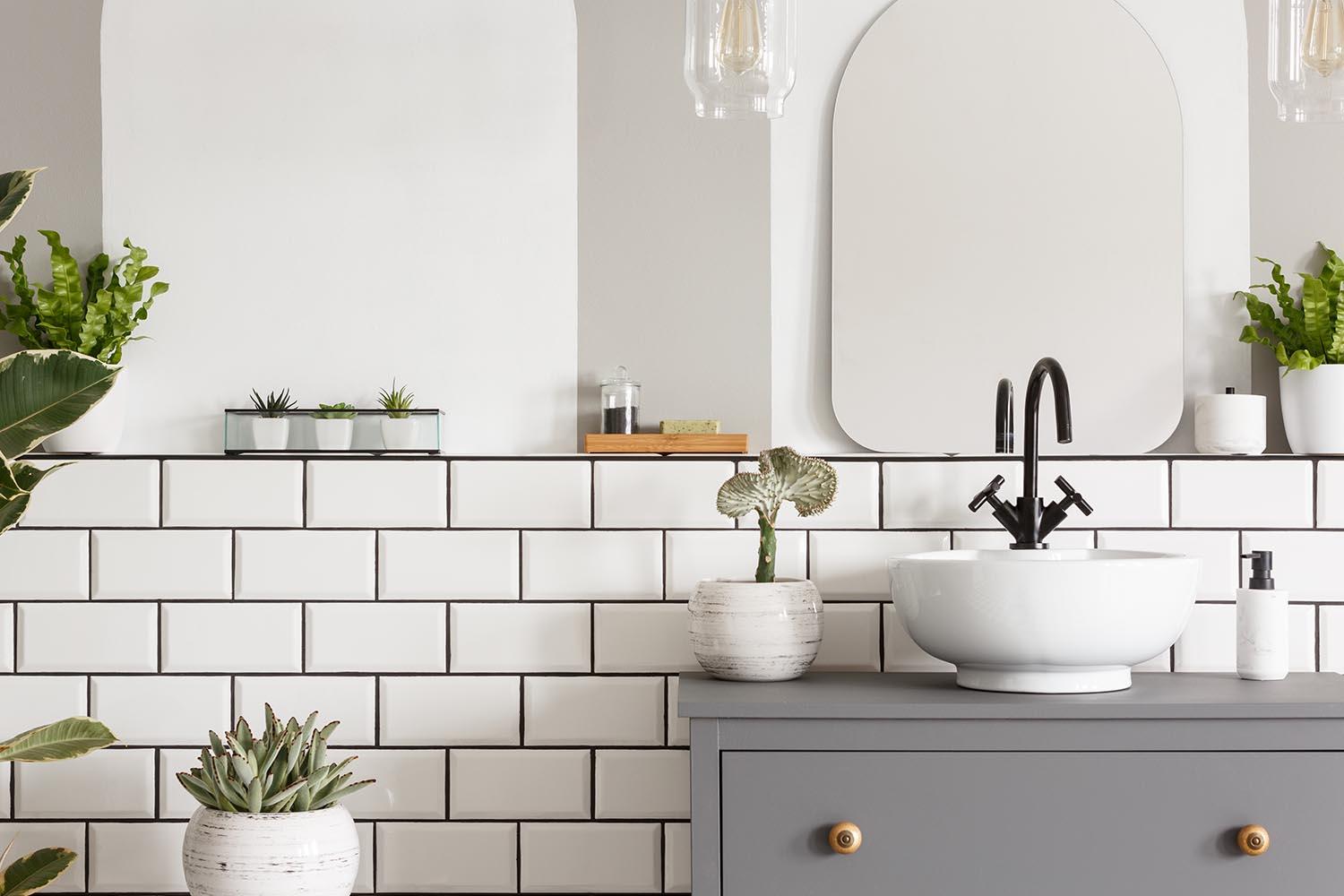
Grout is a paste-like or powdery material specifically designed to fill joints between decorative materials such as tiles, natural stone, and mosaics. Through physical curing or chemical reaction, it forms a dense protective layer that integrates sealing, decorative, and durable properties.
 2. Material Composition & Types
Cement-Based Grout:
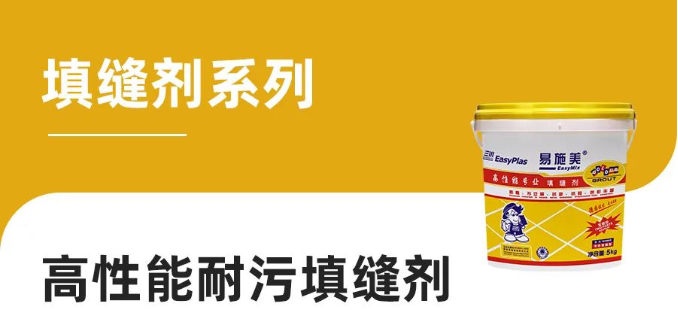
Yishimei TG Series Grout is formulated with cement, high-quality fine aggregates, and polymer additives. Suitable for grouting indoor/outdoor wall tiles, floor tiles, and various stone mosaics, it features rich colors, strong adhesion, and excellent waterproof performance—overcoming issues like shrinkage, cracking, and efflorescence common in traditional materials.
Semi-Transparent Resin Grout:
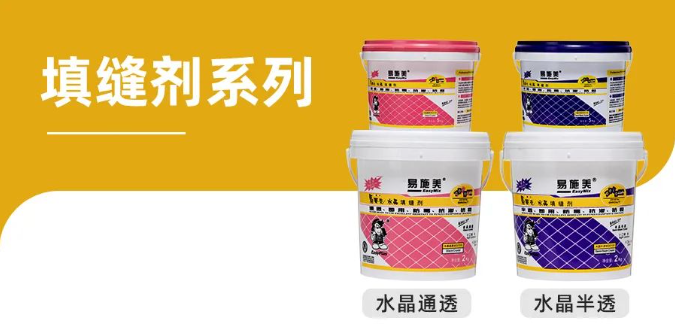
Yishimei Mosaic Crystal Grout is composed of resin and selected fine aggregates. A water-based, non-toxic, and eco-friendly product, it is ideal for grouting indoor/outdoor mosaics. Its key features include crystal clarity, semi-transparency, strong adhesion, and superior waterproofing, addressing the drawbacks of traditional materials such as shrinkage, cracking, and powdering.
Colored Epoxy 2-in-1 Grout & Adhesive:
Yishimei COLOPOXY Colored Epoxy Grout & Adhesive integrates resin and high-grade fine aggregates. Suitable for installing and grouting various ceramics, glass mosaics, antique tiles, and regular tiles on indoor/outdoor walls and floors in hotels, swimming pools, commercial spaces, and factories. This two-component, green product boasts low VOC emissions, stain resistance, waterproofing, mold resistance, acid-alkali resistance, corrosion resistance, high-temperature resistance, easy cleaning, convenient maintenance, and exceptional durability.
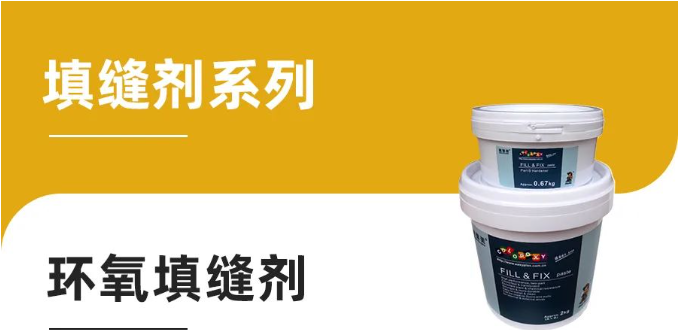
Water-Based Two-Component Epoxy Grout:
Yishimei COLOPOXY True-Color Ceramic Sealant is a water-based two-component epoxy grout crafted from high-quality imported German polymer resin. Designed for grouting, edge trimming, and aesthetic sealing of tiles, glass blocks, flooring, mosaics, marble, and ceramic slabs in kitchens, shower stalls, bathrooms, countertops, windowsills, and balconies. It offers high hardness, strong adhesion, water resistance, oil resistance, easy cleaning, and vibrant, long-lasting colors.