


Functions of Polymer Anti-Crack Mortar
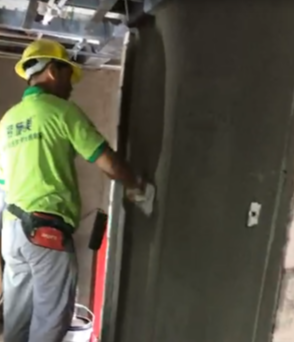
Many people may not be familiar with anti-crack mortar or how to use it. In fact, it is a specialized construction material designed to prevent cracks, solving a long-standing challenge in the construction industry—overcoming the limitations of lightweight insulation materials in crack resistance.
Basic Knowledge
Polymer anti-crack mortar is a new type of anti-cracking material with excellent toughness. It can be directly troweled onto walls made of plywood, calcium silicate board, etc. After full curing, it forms a relatively rough surface, featuring no cracking, no yellowing, no peeling, strong adhesion to putty, easy operation, non-toxicity, and environmental friendliness.
How to Use Polymer Anti-Crack Mortar?
1. Substrate Preparation
Clean the surface of concrete substrates, masonry, gypsum boards, or other base materials. Remove protrusions from concrete and clear residual formwork joints (using sponges or paper tape).
Sweep away dust from the substrate, then spray water to pre-wet it (facilitating the application of thermal insulation mortar later).
While cleaning the construction site, ensure the substrate is ready for plastering with floor insulation mortar.
2. Layered Application of Thermal Insulation Mortar
(1) Mixing: For manual mixing, blend thermal insulation mortar with water at a ratio of 1:1 (by weight) until a uniform paste is formed. Adjust the consistency appropriately based on climate and temperature for easy application.(2) First Insulation Layer: Apply a layer no thicker than 1.5cm, compact it firmly, and leave a rough surface.(3) Second Insulation Layer: After the first layer initial sets, apply the second layer (with steel wire mesh embedded) to a thickness not exceeding 2cm.(4) Layered Construction Notes:
Apply moderate pressure during each layer to ensure effective bonding between layers; do not rub back and forth on the same area.
Immediately remove and smooth any bulges found during application.
3. Inspection & Finishing
(1) The substrate surface must be clean, with flat joints, no scratches, and straight, clear corners.(2) The insulation layer thickness must meet design requirements; single-point thickness allows for negative deviation within limits.(3) The insulation layer must bond firmly to the substrate and other structural layers, with no delamination, hollowing, or cracking.
4. Cleaning & Curing
(1) After plastering, clean the construction site promptly. Recycle spilled thermal insulation mortar for reuse if possible.(2) After completing the insulation layer, maintain a well-ventilated and dry environment—no additional watering or curing is required. The insulation layer can be followed by subsequent construction processes after 7 days of curing.
5. Application of Polymer Anti-Crack Mortar
Construct in accordance with the specified anti-crack mortar construction requirements.
Construction Precautions for Polymer Anti-Crack Mortar
1.During transportation, protect the mortar from moisture, rain, and direct sunlight.
2.Prepare only the required amount of anti-crack mortar based on construction needs. Do not reuse caked or unused mortar.
3.The construction and storage temperature must be above 5℃.
4.Clean construction tools and mixing equipment immediately after each use to avoid affecting future applications.