


How to Repair Cement Peeling at Balcony Edges? Anti-Crack Mortar Has You Covered!
2025-11-24
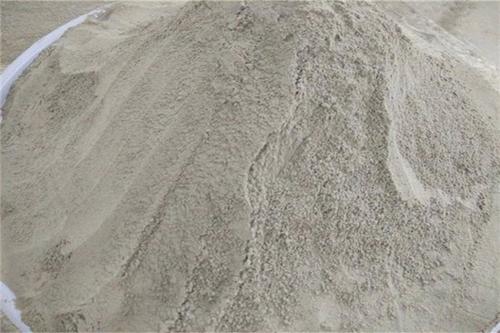
During renovation, we often encounter unexpected issues—such as cement peeling at balcony edges. Today, Yishibao will introduce anti-crack mortar to help you solve this problem effectively.
Features of Anti-Crack Mortar
Excellent flexibility, high bonding strength, superior crack resistance, and waterproof performance
Easy to operate and control
Reliable long-term performance
Environmentally friendly and safe
Applications of Anti-Crack Mortar
Finishing coat for polystyrene boards and extruded boards in the "polystyrene board + glass fiber mesh + polymer mortar" system
Repair of crack-prone areas
Renovation of old wall tiles
Crack resistance for the surface layer in the "cast-in-place concrete formwork with built-in insulation board" system and the "rubber powder polystyrene granule insulation mortar" system
Mixing Ratio & Usage
Mixing Ratio: Mortar Powder : Water = 1 : 0.22 (by weight)
Mixing Method: Use an electric mixer to blend thoroughly. Let the mixture stand for 5-10 minutes, then stir again before use.
Pot Life: Use the mixed mortar within 2 hours.
Reference Consumption: 4 kg per square meter
Technical Standards
Complies with JG149-2003 "External Thermal Insulation System for Thin-Plastered Expanded Polystyrene Board"
Construction Requirements
1.Install polystyrene boards (or extruded boards) only after the thermal insulation mortar plastering has been accepted.
2.Apply two coats of mortar (base coat and finish coat):
First, apply a 2-3mm thick base coat to the board surface.
Stretch the glass fiber mesh and press it into the base coat with a trowel, working from the center to the edges. Do not press the mesh too deep—ensure it is partially exposed on the mortar surface.
For mesh overlap: Horizontal overlap length ≥ 100mm, vertical overlap length ≥ 80mm.
Before the base coat cures, apply a 1-2mm thick finish coat that fully covers the mesh (the mesh outline should be barely visible, but the mesh itself must not be exposed).
3.Do not over-rub the finish coat to avoid hollowing.
4.Reinforcement Layer Method (for impact resistance requirements):
Add an extra layer of glass fiber mesh on top of the standard external thermal insulation system, then cover with mortar to enhance impact resistance.
Total thickness of the mortar for the reinforced area: 5-7mm.
Notes & Precautions
1.Reference Formula for Anti-Crack Mortar (per batch):
Ordinary Portland Cement 42.5R: 320 kg
Coarse Sand (20-60 mesh): 200 kg
Fine Sand (60-150 mesh): 400 kg
Ground Calcium Carbonate: 67 kg
N2098 Powder Adhesive: 10 kg
D40M Additive: 2 kg
PP Fiber (10mm): 1.2 kg
2.Anti-crack mechanism: The mortar is formulated with polymer emulsion, admixtures, cement, and sand in a specific ratio. It can accommodate certain deformations without cracking when mixed with water.
3.Core function: Prevents cracking in external wall insulation systems (bonding and finishing of polystyrene/extruded boards).
4.Construction Temperature: Above 5℃.
5.Do not add sand, cement, or other admixtures without authorization.
6.Winter Construction: Avoid application in temperatures below 0℃ (antifreeze agents are not recommended, as they may affect system stability).
7.Pot Life: Mixed mortar must be used within 2 hours. Cured or hardened mortar is not reusable.
8Packaging & Storage:
Packaged in 25kg bags.
Store in a cool, dry, and well-ventilated place. Protect from moisture and rain.
Shelf Life: 6 months in unopened packaging.
That’s all about repairing cement peeling at balcony edges with anti-crack mortar. We hope you now understand its advantages and key precautions. For further inquiries, please feel free to contact us!