


The Differences Between Anti-Crack Mortar and Plastering Mortar
Many people are still unclear about the specific differences between anti-crack mortar and plastering mortar. Today, Yishimei will take you through a detailed comparison.
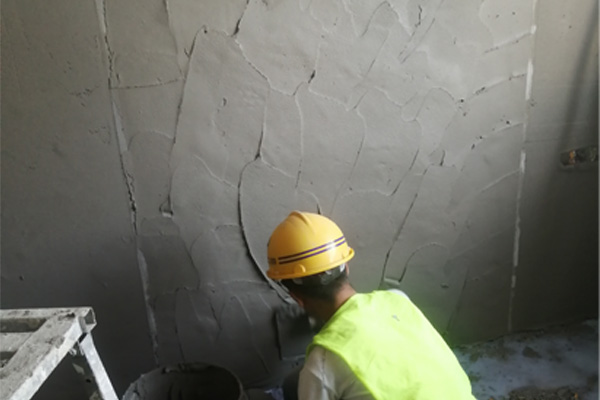
Introduction to Plastering Mortar
Plastering mortar refers to any mortar applied to the surface of buildings or building components. Based on functional differences, it can be classified into:
Ordinary plastering mortar
Decorative mortar
Special-functional plastering mortar (e.g., waterproof mortar, thermal insulation mortar, sound-absorbing mortar, acid-resistant mortar, etc.)
Requirements for Plastering Mortar:
Excellent workability: Easy to apply as a uniform, smooth thin layer for convenient construction.
High bonding strength: The mortar layer must adhere firmly to the substrate without cracking or peeling over the long term.
Enhanced performance for specific environments: For areas exposed to moisture or external forces (e.g., floors, dadoes), it should have high water resistance and strength.
Introduction to Anti-Crack Mortar
Anti-crack mortar is a polymer-modified mortar formulated by uniformly mixing cementitious materials, fillers, fibers, and admixtures in specific proportions. It can accommodate certain deformations without cracking, primarily used as an anti-crack protective layer over insulation systems.
Key Features & Applications:
As an ideal material for finishing and anti-crack plastering of insulation boards, the quality of anti-crack mortar directly impacts the performance and service life of the entire insulation system. Insulation systems finished with this mortar effectively address key challenges in external wall insulation, including thermal insulation, heat resistance, wind pressure resistance, fire resistance, freeze-thaw resistance, water repellency, weather resistance, flame retardancy, breathability, and cracking prevention.
Additionally, it offers excellent flexibility, high bonding strength, superior waterproof and anti-crack performance, easy operation, and controllable application. It ensures reliable long-term performance, environmental friendliness, and safety.
Core Difference Summary
From the above introduction, the key distinction is clear:Plastering mortar is a general term covering all surface-applied mortars, while anti-crack mortar is a specialized type within this category with specific anti-cracking functionality.